

latest posts

The Verdi Requiem
The summer before last I became obsessed with the Verdi Requiem. It’s a piece I’ve known since I was 13, when I got the Leontyne-Jussi Bjoerling LPs (in monophonic sound) as a bar mitzvah gift. But now, due to the miracle of Spotify, I suddenly have the capacity to hear a slew of recordings, all available by touching a screen. Young people take this digital bonanza for granted, but after lugging stacks of records home from the library as a kid, I never cease to marvel at how easy it is to indulge my musical whims.
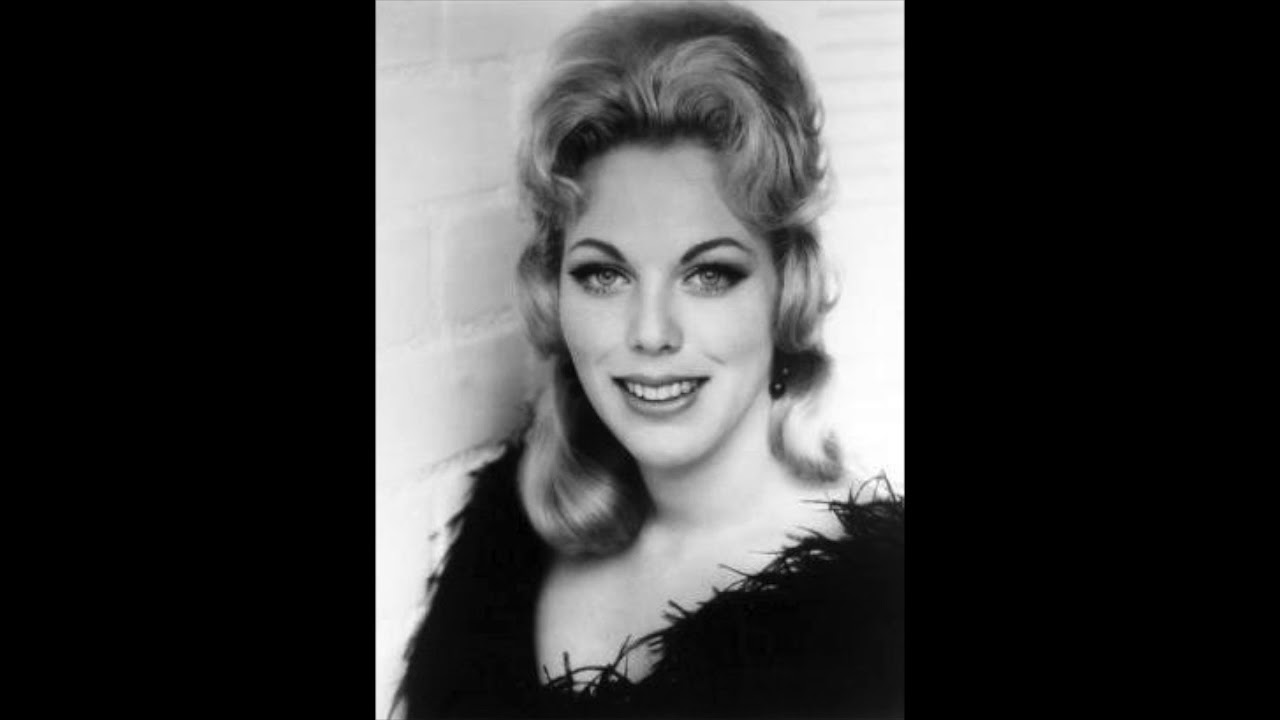
Carol Neblett sings Puccini
I ventured into the Met to hear The Girl of the Golden West last week. I’d never seen the now-venerable Giancarlo del Monaco production—never heard this opera at the Met, in fact—and I’d never seen Jonas Kaufmann live. Neither of us is getting any younger and I pride myself on having heard all the major voices since I started going to the opera in 1963. So I secured a standing room ticket and hauled myself into the theater.
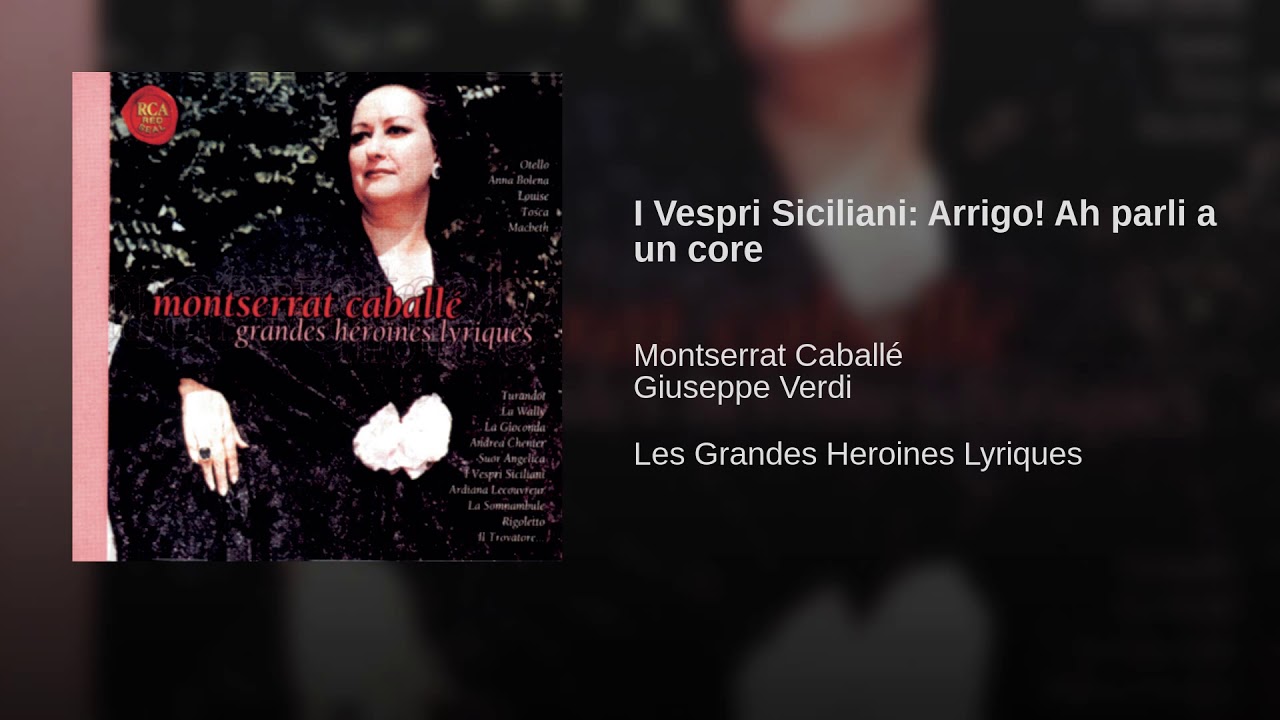
Montserrat Caballé sings Verdi
I’ve been listening to soprano Montserrat Caballé this past week, in the days following her death at age 85. I first heard her at Carnegie Hall in December of 1965, when she sang Donizetti’s Roberto Devereux. Later that month my dad and I went to the Met for her début. She wanted to sing in the old house on 39th Street before it got torn down, and they slotted her in for a single performance of Faust.
W. C. Handy: Chantez-les Bas
For our final W.C. Handy song of the day we turn to one of his later gems that was a lesser hit, especially at first. “Chantez-les Bas” was composed in 1931, and is the only Handy piece in its genre, a Louisiana-inspired love song. Handy never visited New Orleans, but played many engagements in Baton Rouge and points north and on one occasion, while his band serenaded a young lady by night, a neighbor gently asked them to pipe down, i.e., “Sing ‘Em Low,” in the local patois.
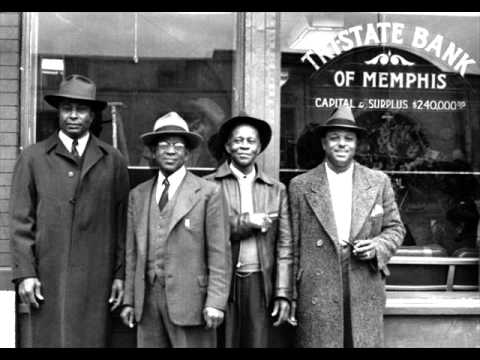
W. C. Handy: Beale Street Blues
W.C. Handy named several blues for cities of significance in his life: Memphis, where he lived from 1905-17, St. Louis, where he was a penniless, flea-infested hobo in 1893; Atlanta, where he played some career-enhancing concerts in the World War I era. “Beale Street Blues” is his only masterpiece named for a street, the main drag of the black entertainment district in Memphis.

W. C. Handy: Yellow Dog Blues
W.C. Handy’s great “Yellow Dog Blues” incorporates an idea he picked up in the Mississippi Delta during his residencies in Clarksdale, Mississippi (1903-1905) then Memphis, his home base for endless gigs up through 1917.
W. C. Handy: Memphis Blues
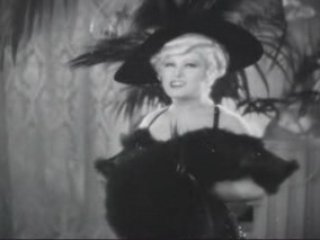
Handy’s first hit, “Memphis Blues,” was self-published as a piano rag, which Handy sold, lock, stock and barrel, to a clever music publisher visiting Memphis on business in 1912. The loss of royalty income due to this transaction haunted Handy for the remainder of his life. The following year saw two pivotal developments in Handy’s career.
W. C. Handy: St. Louis Blues
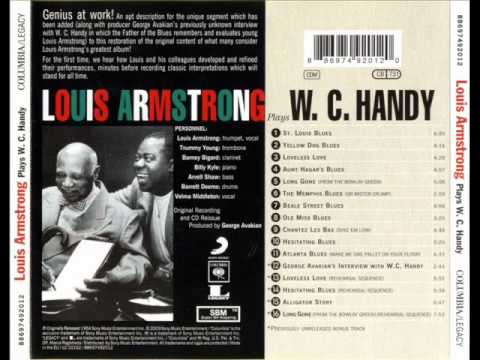
We could hardly begin a week of W.C. Handy songs without zeroing in on his biggest hit, “St. Louis Blues,” a song that has been so-often recorded that no full accounting of the recordings is possible, to be counted in thousands, not hundreds, starting in 1914. Handy wrote the song on a single night at the end of that summer, the year after he founded the Pace and Handy Music Company.

Randy Newman: Losing You
This week I’ve been looking at some pretty famous songwriters who achieved fame for their populist style of singing and their unusual songs, Leonard Cohen and Joan Baez for example. Today my choice is Randy Newman. He’s one of our great American songwriters, but what I most admire about him is his choice of subject matter.
Joan Baez sings Bob Dylan’s Forever Young
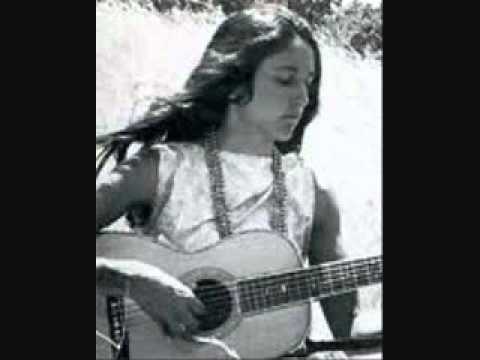
What is a populist voice? People talk about Johnny Cash and sometimes Willy Nelson as authentic folksters, singing about the American experience, failures and aspirations. NYFOS was recently at Exeter Academy, one of our finest prep schools. I was busy conducting the orchestra, and Steve Blier was giving a vocal master class in another room. He mentioned Joan Baez as a vocal example. The student politely asked “who’s Joan Baez?”
Leonard Cohen: Famous Blue Raincoat
We cover quite a bit of arcana in NYFOS concerts. Forgotten composers, obscure corners of the repertoire from A to Z. We delight in finding these treasures. Many of them defy classification. Is it a folk song, or a pop tune? We don’t think that’s of any importance really.
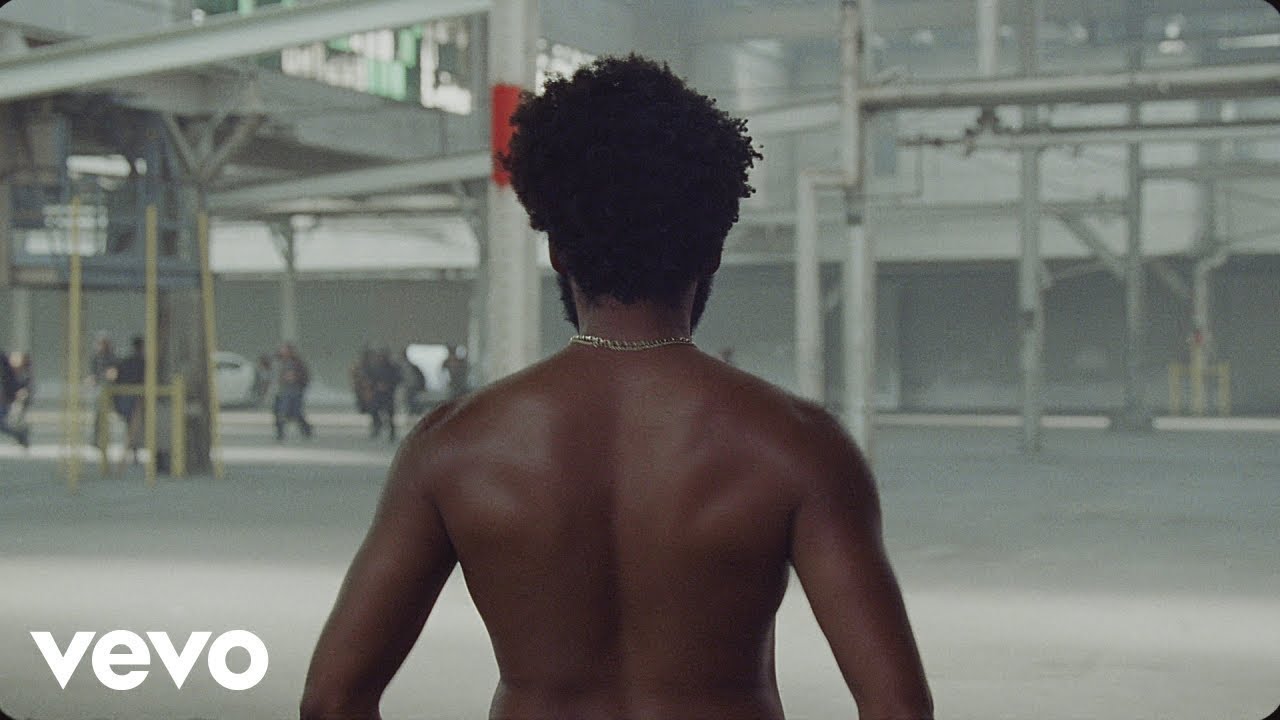
Childish Gambino: This Is America
Childish Gambino’s (Donald Glover) “This Is America” took the world by storm when it was released earlier this year. A look at years of American culture, packed tightly into an explosive 4 minute video, and portrayed through a series of overlapping scenes mostly relegated to the background of the music video. The video often shows you smiling faces, dancing, novelty, all while the background shows us burning cars, rioting, inactive bystanders, suicide, chaos.

Oddisee: You Grew Up
“You Grew Up” is a look at the outside pressures that affect children, and in this piece men in particular, and how these can skew their views as they grow older. The two examples that artist Oddisee focuses on in this work are those of a young white man who grew up with Oddisee (a black man), and a young Muslim man.

Joyner Lucas: I’m Not Racist
“I’m Not Racist” is a debate between two diametrically opposed men, one white and one black, arguing over the state of race relations in America. It is a raw, uncensored look at the stereotypes and tropes that create the ever-expanding racial divide.

K’naan: Immigrants (We Get the Job Done)
“Immigrants (We Get the Job Done)” is from “The Hamilton Mixtape”, a collection of covers and re-imaginings of Lin-Manuel Miranda’s hit musical “Hamilton”. The piece speaks to the mistreatment of, and resentment towards immigrants in America, and the performers were handpicked by Miranda as people who he believed “represent all corners of the world, in line with the songs message”.