

latest posts
John Williams: Prologue from Harry Potter and the Sorcerer’s Stone
Though not a song in the standalone-sense I often find myself humming this...
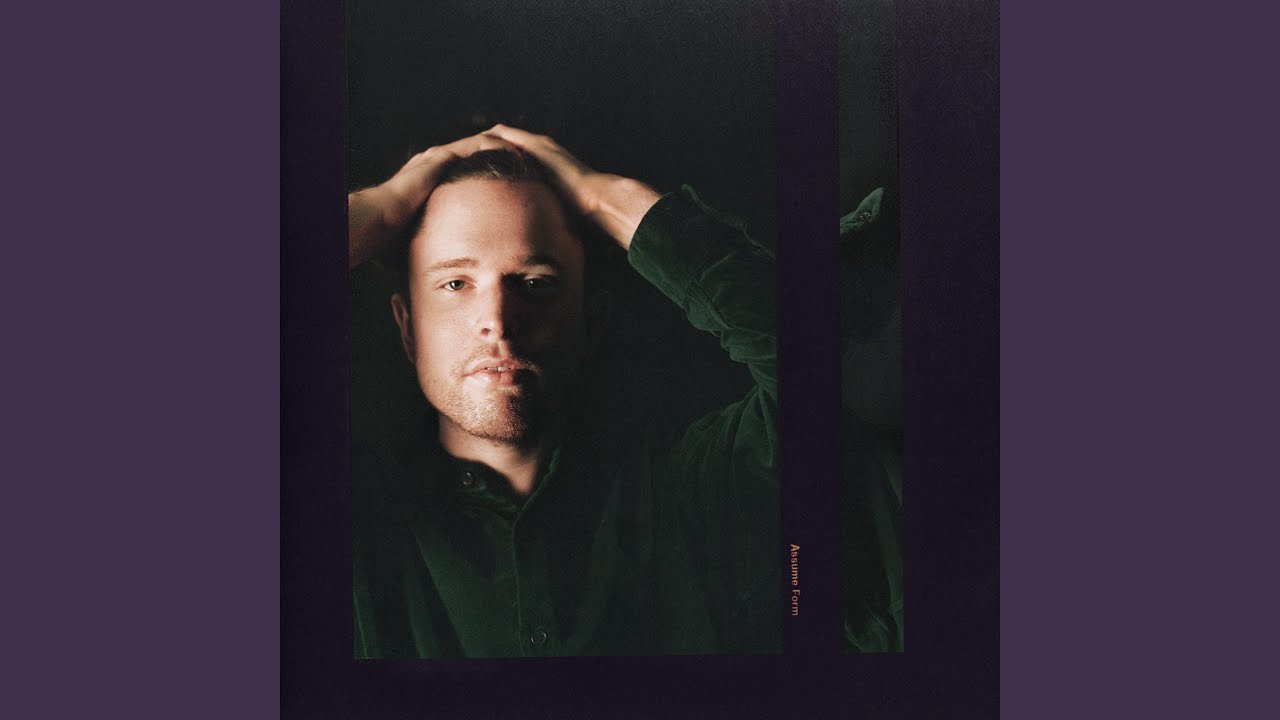
James Blake: Power On
I thought perhaps my final post would be something new, something I’ve heard a lot lately. James Blake’s Assume Form was just released in January. I can’t quit it; I have it on a loop. It’s unmistakably James Blake, but also different. I mean, it’s not not sad—he always delivers on that score—but this album’s sad is pretty sweet, very much in love.
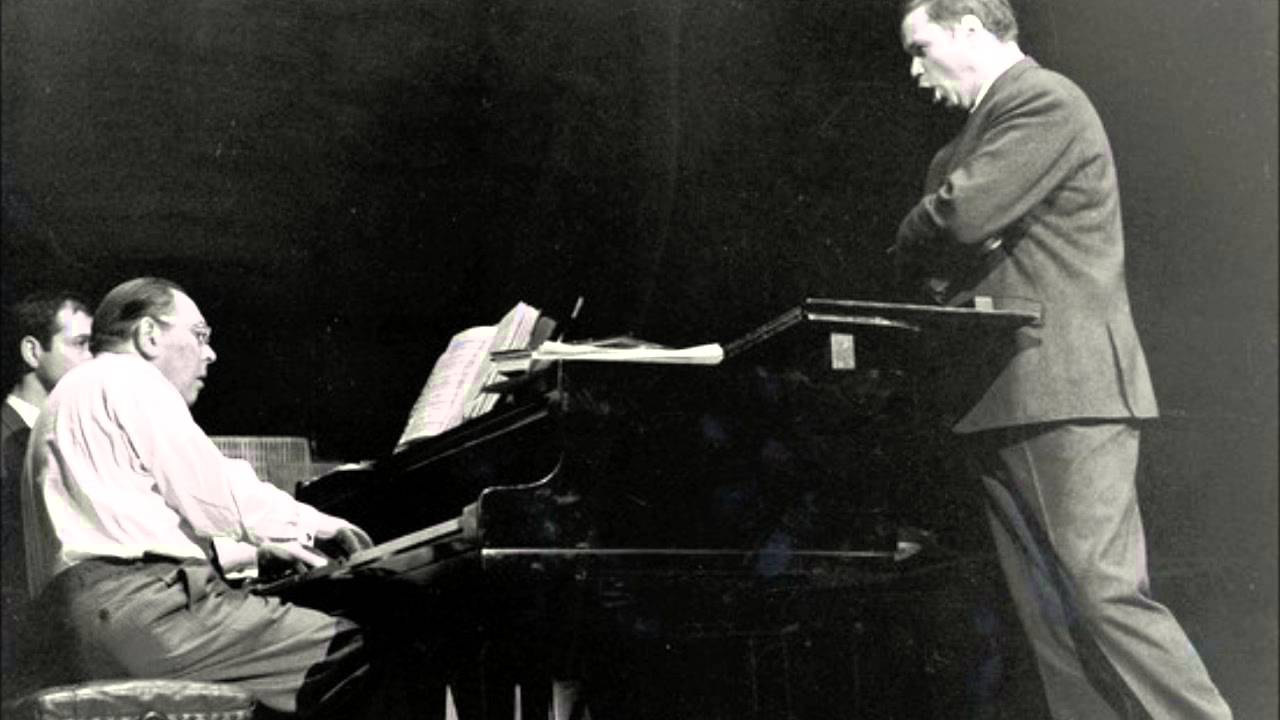
Hugo Wolf: Peregrina songs
These two poems belong to a cycle of five by Eduard Mörike. Wolf’s Peregrina songs represent a rarity in his output, a diptych of sorts—neither piece entire of itself, but together forming a musical world that illuminates the explicit narratives within, and the implied narratives between two poems.
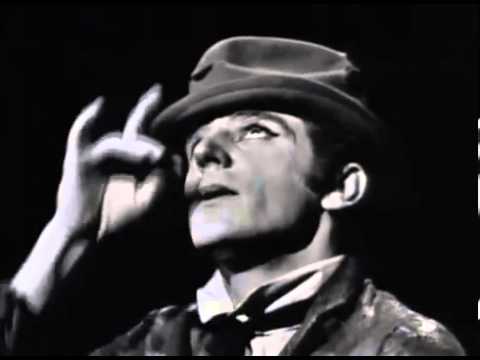
Anthony Newley and Leslie Bricusse: Who Can I Turn To?
Newley and Bircusse are responsible for a whole host of very popular songs,...
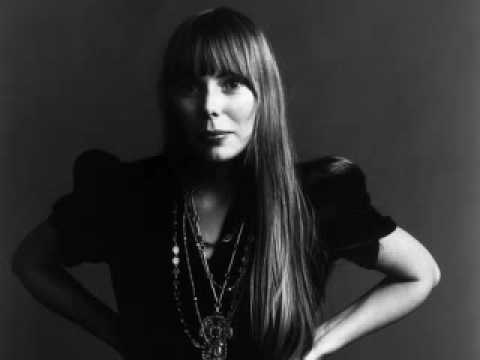
Joni Mitchell: Cactus Tree
I didn’t know who Joni Mitchell was until I went to college and fell in love—and really I can think of no better music with which to have ventured all that intoxication, desire, thrill, fear, and ambivalence than hers. The first album I really obsessed over was Mitchell’s fourth, Blue (1971), which, yes, translates to “A Case of You” on repeat for… a year? More, probably. But I did slowly work my way through most of the rest her astonishing output, including Song to a Seagull (1968), her debut, which ends with “Cactus Tree.”

García Lorca: Muse & Magician
Everyone involved with classical song eventually falls under the spell of Federico García Lorca (1898-1936), simply because so many composers have set his poetry to music. His writing is a fascinating combination of opposites: elusive and open, austere and emotional, somber and bursting with color. The more I read about this great Spanish artist the more astonishing I find him.
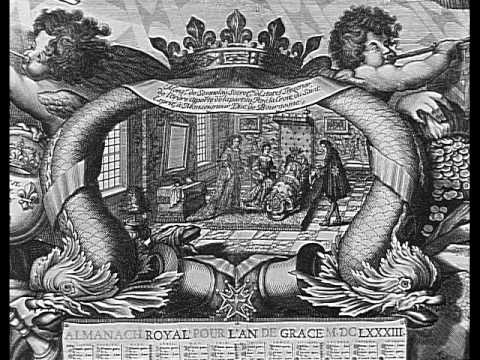
Michel Lambert: Le repos, l’ombre, le silence
Airs de cour were the songs of late 16th, early 17th century France. It’s a huge repertoire to which Michel Lambert contributed many extremely beautiful compositions. Lambert (c.1610–1696) was a composer and singer, and also famously taught singing.
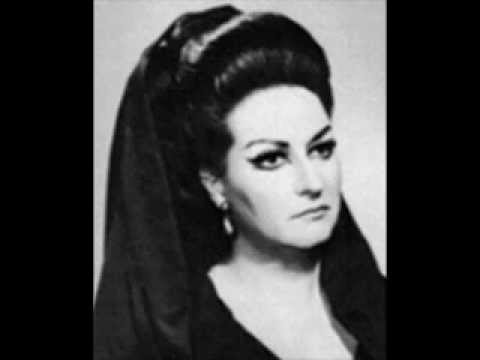
Ruggero Leoncavallo: Stridono lassù
While preparing this aria for a concert next month, I was reflecting on the idea of freedom. We all, in some way or another, long for freedom—from a person, situation, or even our own thoughts. In “Stridono lassù,” Nedda is desperate to escape her oppressive situation and fly like the birds.
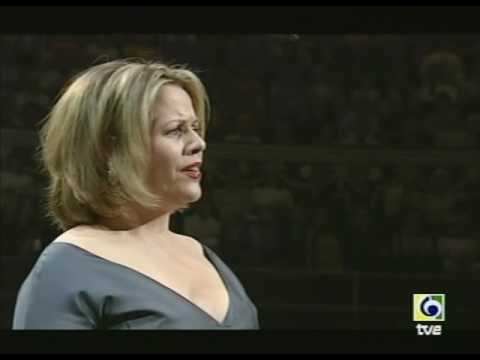
Richard Strauss: Beim Schlafengehen
As a young American soprano studying opera in the early 2000s, Renée Fleming was my hero. Who am I kidding, she still is. She has the most beautiful tone quality, consummate technique, and an air of ease that makes the whole thing seem effortless. Of course now, as a working singer, I know that making it look effortless takes years of hard work and dedication.
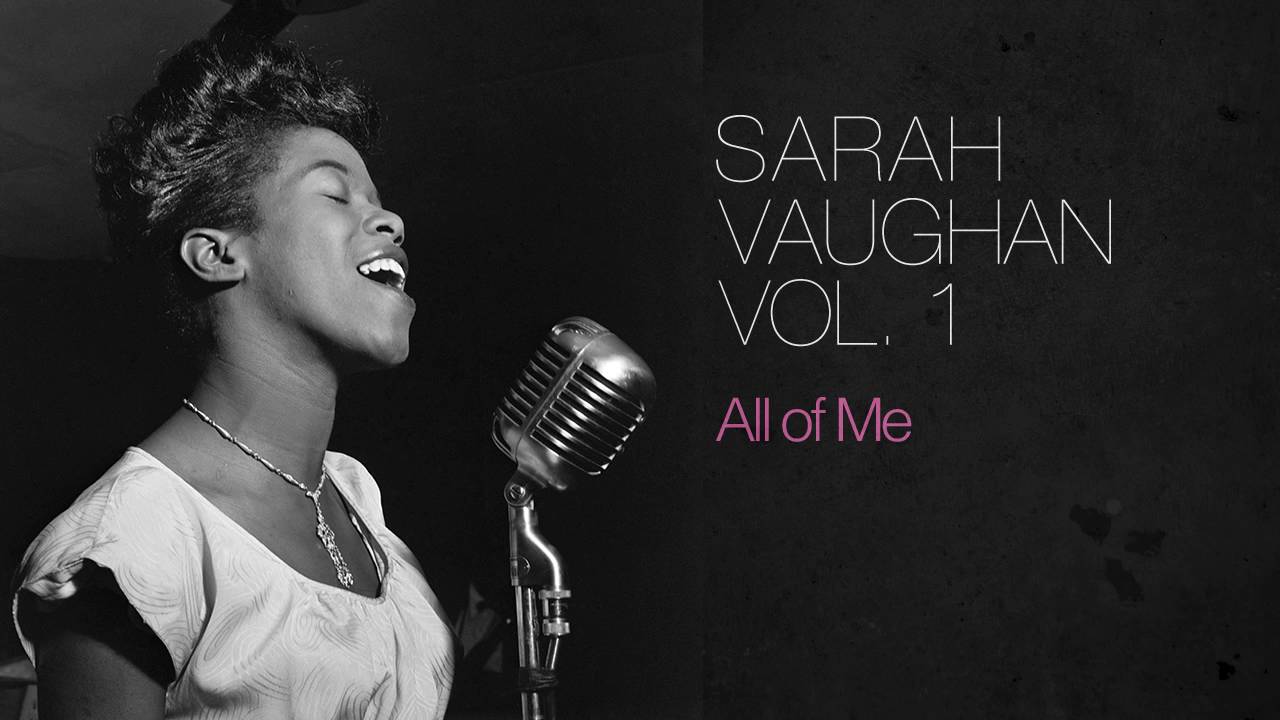
Gerald Marks and Seymour Simons: All of Me
I sang very briefly with a jazz quartet in college, and while I love jazz and enjoy the challenge of improvisation, I’ve always been terrified of scat. When our group decided to jam on “All of Me,” I relied my opera singer skill of memorization to recall the amazing rendition by Sarah Vaughan.
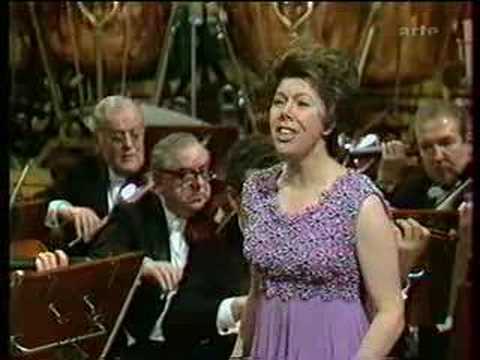
Hector Berlioz: Le spectre de la rose
“Le spectre de la rose” from Berlioz’s Les nuits d’été (Summer Nights) is both delicate and grand, one of those songs that really sticks with you. The ghost of a rose, plucked and worn by a woman at a ball, appears at her bedside. The rose fills her room with its intoxicating scent, whispering words of love and reassurance.
Manuel de Falla: Soneto a Córdoba
Steve brought “Soneto a Córdoba” to me as a possibility for our Lorca program (since de Falla was one of Lorca’s mentors), and despite never having been, I was instantly transported to southern Spain. This song is an ode to Córdoba, a town in Andalusia where the poet Luis de Góngora lived and died.
Maurice Ohana: Tango el mariquita
Federico Lorca struggled with his sexuality for much of his short life. No wonder. It was the inevitable fate of a passionate, uninhibited, demonstrative gay man living in a repressive, homophobic culture. While he had deep emotional attachments to a number of women, his heart was susceptible only to other men.
Federico Mompou: El niño mudo
In 1956, two great Catalan composers, Federico Mompou and Xavier Montsalvatge,...
William Bolcom: Soneto de la dulce queja
I faced a quandary when I was programming the April 24 Lorca concert. Though I try to avoid presenting songs I’ve done in recent concerts, I couldn’t find many suitable examples of cante jondo—the “deep song” of Andalusia that Lorca venerated. He disdained the word “flamenco,” which he called the “tourist version” of cante jondo. But for an American listener the two terms are roughly equivalent, especially in this day and age. Recordings of cante jondo are of course in plentiful supply. What’s almost impossible is finding songs in this style appropriate for the recital stage and classically trained singers.