

latest posts
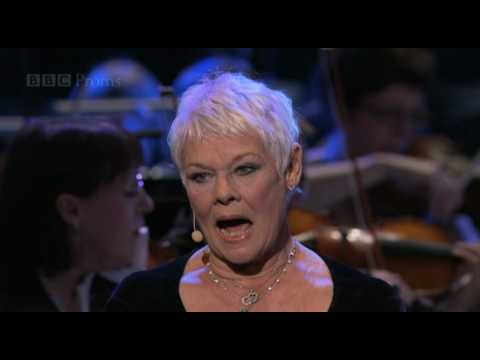
Stephen Sondheim: Send in the Clowns
One magic trick performed by great musical theater lyricists I find particularly impressive is when a repeating lyrical hook, often found in the title, evolves throughout a song and takes on new meanings. Rather than just the usual redundant repetition, the same phrase progresses based off the goings-on of the verse, and it continues to shed light on a situation. I am always awestruck when a musical theater writer reaches this level of lyrical complexity. Usually an actor is left to come up with his or her own intention for each repeated lyric; in this case, the lyricist has made his intents obvious and draws a clear arch for the actor.

Derek Gregor and Sam Carner: Savin’ It
Words mean more to me than just about anything. I’m always researching some piece of text, either for work or pleasure. So it seemed natural for me to focus on lyrics as I make my contributions to The Song of the Day. I’ve dedicated much of my time in NYC to the development of new musicals, and I’ve gotten to know many of the form’s contemporary writers, including Sam Carner and Derek Gregor.

Stephen Sondheim/Barbara Cook: Losing My Mind
I, of course, love Sondheim and this is one of his iconic songs. However, Sondheim (or for that matter any composer, but especially Sondheim) is only as good as the person singing the song and Barbara Cook was the best. I first heard her perform this song at the Café Carlyle and, while I’d seen Follies and heard the song before, I’d never really heard it until then. The song sprung to life right before me.
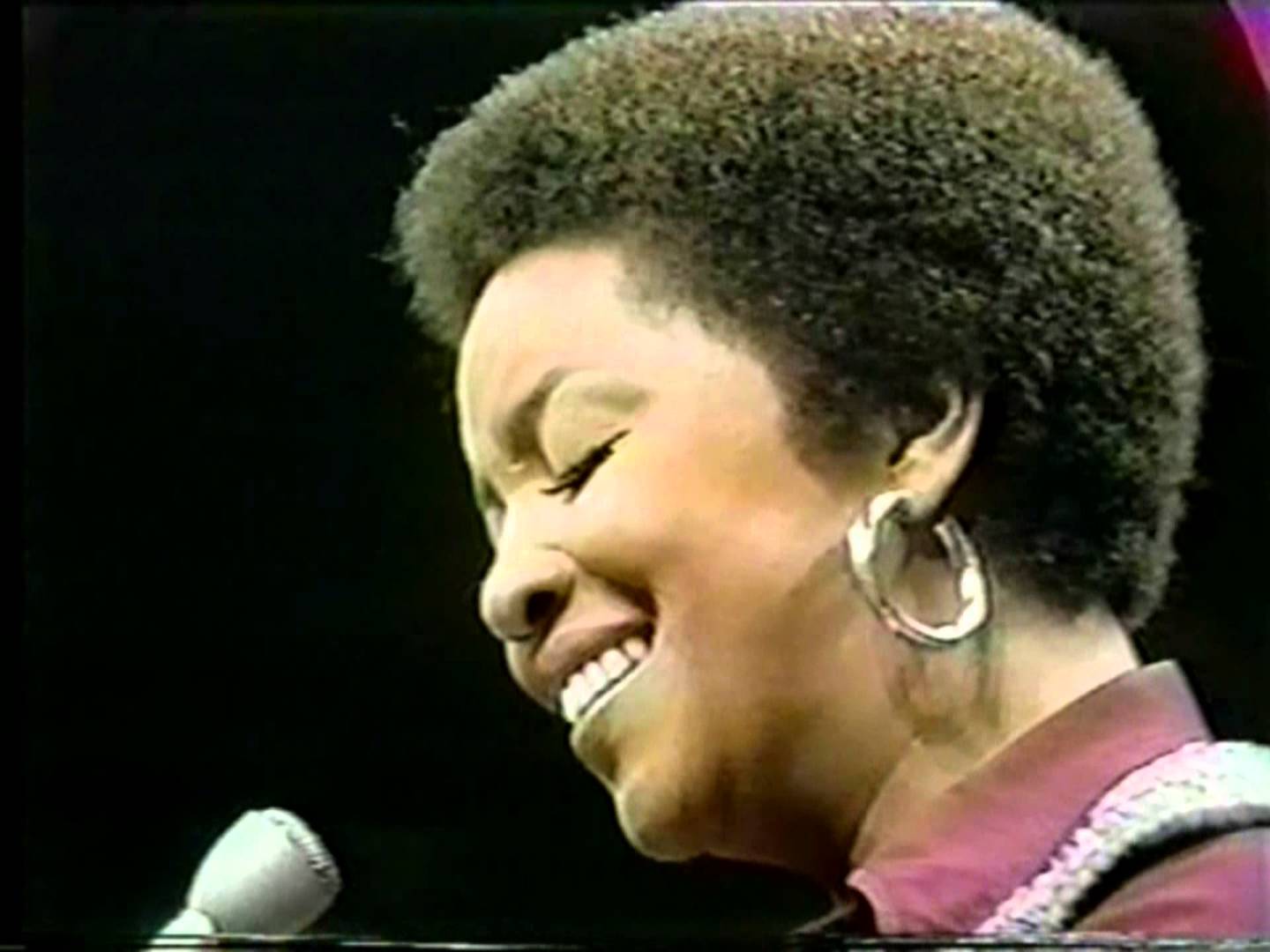
Mavis Staples: A House is Not a Home
Everybody loves Mavis Staples. She’s an American treasure, best known for providing a soundtrack for the civil rights movement with her family, The Staples Singers, with gospel-tinged classics like “Respect Yourself” and “Freedom Highway.” But today, I want to share my love of her version of a classic song, usually associated with Luther Vandross: “A House is Not a Home.”

Gato Preto: Pirão
I first got a glimpse of the band Gato Preto at WOMEX last year. I was seeing 12 bands a night, from all over the world, and they really stood out—African, edgy, and beyond fierce. I had a friend with me who was translating the lyrics, which were unapologetically calling out government corruption. It was this cool, strong woman—Gata Misteriosa—fronting the band.
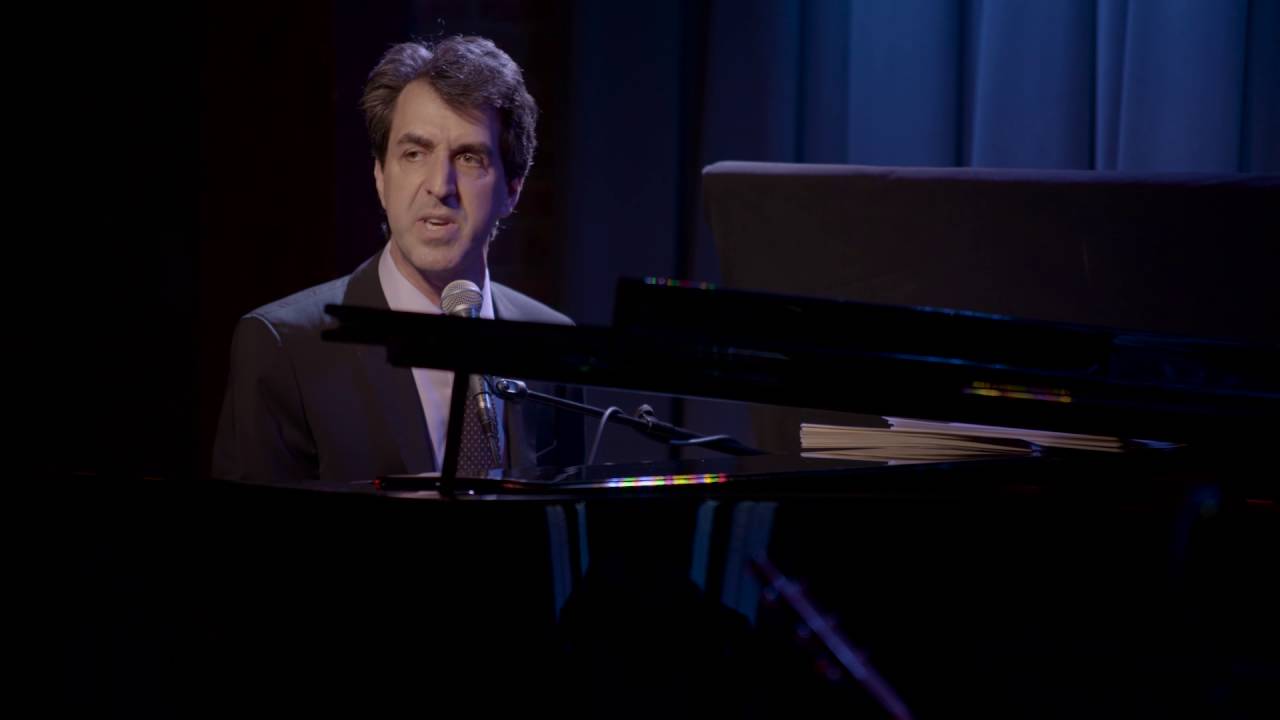
Naomi Louisa O’Connell
Irish mezzo-soprano Naomi Louisa O’Connell discusses her preparation process, favorite artists, and how friendly New Yorkers really are as our Artist of the Month. Naomi will join NYFOS in its Mostly Mozart Festival debut on August 8th.
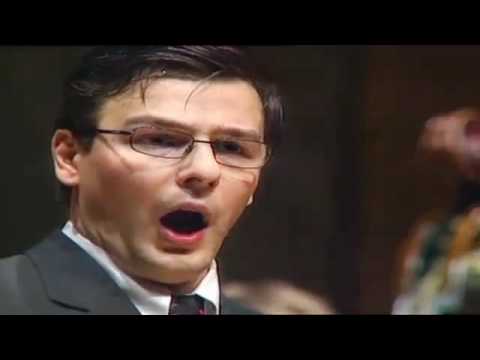
George Frideric Handel: Ombra mai fu
It is incredible how this simple plaintive melody that begins with a note materializing out of nothing, suspended in space, never fails to affect me profoundly. Whenever I hear George Frideric Handel’s aria “Ombra mai fu,” I am transformed. The work exemplifies the enormous power music has to lift and move one’s spirit.
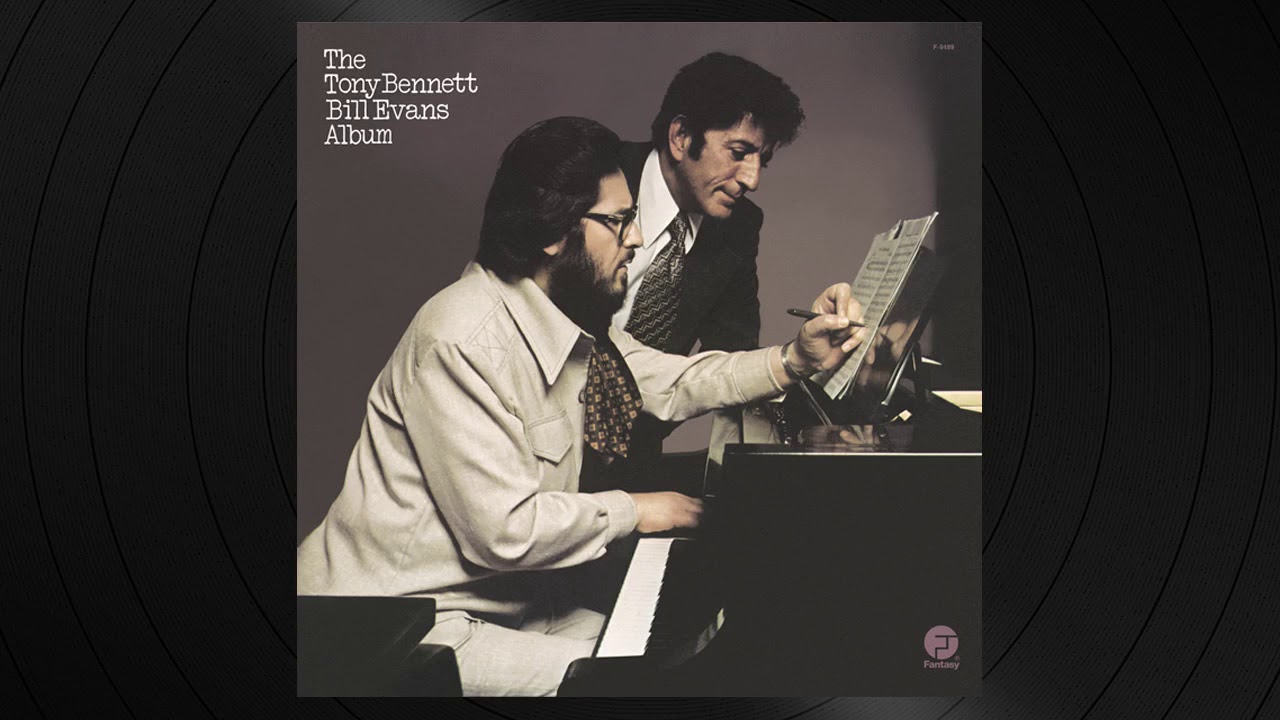
Leonard Bernstein: Some Other Time
The universal appeal of these lyrics and the musical sophistication of this composition attract singers and musicians from many musical genres. The blues-inflected chord changes make it a favorite of jazz musicians, and vocalists are drawn to the emotional truth underlying the clever word play.
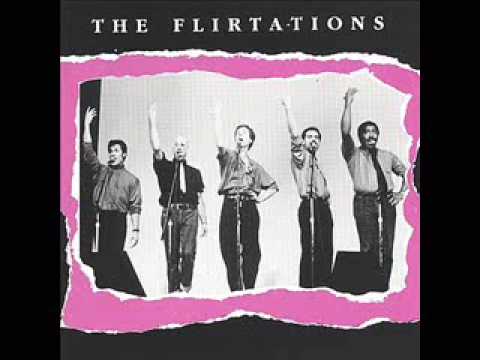
Fred Small/The Flirtations: Everything Possible
A few years after I came out in my late twenties when I realized that I was gay, still struggling to understand and find my place in a challenging society, the music of The Flirtations, celebrating gay culture with wit and strength, offered me solace and support, a beacon of hope, and a call to arms in the battles against AIDS and homophobia.

Richard Strauss: Beim Schlafengehen
I’m sitting at a friend’s memorial service, moved to tears, not only by the testimonials to his all-too-short life, but also by a recording that he had asked to be played: a short, lush orchestral intro, then a soprano … luminously singing of her longing for sleep and the peace it offers. “Beim Schlafengehen” [“Going to Sleep”], one of Richard Strauss’s Vier letzte Lieder [“Four Last Songs”], moves me as deeply every time I hear it as it did decades ago that first time.
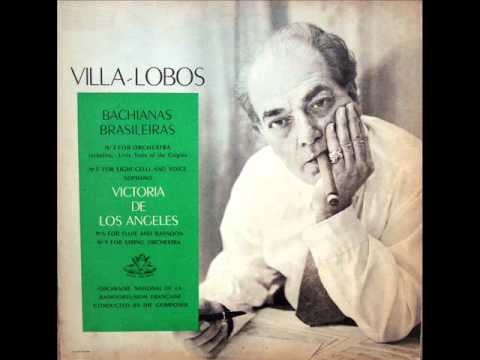
Heitor Villa-Lobos: Bachianas Brasileiras No. 5
Yes, I’m well aware that no sound can be heard in the vacuum of space. Still, I am rather taken by the theory of Pythagoras known as the Harmony of the Spheres, in which he postulated that the sun, moon, and planets all emit their own unique hum based on their orbital revolution. If I could indeed hear the music of those spheres as they move through the heavens, for me it would be the celestial hum at the end of the first section of the Bachianas Brasileiras No. 5 by Heitor Villa-Lobos

Alexander Borodin/Robert Wright and George Forrest: Night of My Nights
My love of Broadway musicals, also thanks to a family outing, began at a 1965 revival of “Kismet” at Lincoln Center. This winner of several 1954 Tony® Awards, including Outstanding Musical, enchanted me with its exotic recreation of old Baghdad (1071 CE) enlivened by the glorious music of Alexander Borodin (1833-1887) adapted by Robert Wright and George Forrest at the suggestion of Vernon Duke.
Wolfgang Amadeus Mozart: Der Hölle Rache
Blame it all on my mom, my love of opera and vocal music. And on Rita Streich. For a birthday celebration in my youth Mom persuaded Dad to drive our family into NYC from Long Island to a performance of Mozart’s Die Zauberflöte [The Magic Flute] by the Salzburg Marionette Theater. To my youthful eyes and ears, those two-foot high marionettes came to life, transporting me to a magic world of glorious music and remarkable singing as they acted to the 1953 DG recording led by Ferenc Fricsay with a cast that included a youthful Dietrich Fischer-Dieskau as Papageno.
Peter Warlock: Sleep
This song trips so many of my triggers, with a vocal line that sounds like it could have been written by John Dowland, and an accompaniment that has some of the delicate twists, turns, and bizarre musical punctuation of Poulenc.
Dominick Argento: Let us live, my Clodia, and Let Us Love
This is an absolutely gorgeous, albeit slightly tortured, love song from Argento’s choral cycle I Hate and I Love, based on poetry of Catullus.