

In a week-long residency like ours, Friday is usually a day fraught with a certain amount of anxiety, and today ran true to form. Everyone seemed more worried about memorization than I would have expected, even after Béné and I sanctioned the use of an onstage iPad for the many duets in the show. Singers are always a bit spooked about knowing their music by heart, that’s nothing new, but this group’s stress level is more intense than any I’ve encountered in recent years. I am by nature an empath, so I had to be careful not to internalize their fear and experience it along with them. It made me feel heartless, but I just told them that I have faith in them and that all will be well. After all, I have my own neurotic anxieties to deal with—mainly the challenges of running that machine with 88 keys and a pedal known as a piano. When it comes to stress, I literally have my hands full already.
There was plenty of drama today. When I got to the piano I found Shiyu at my side before anyone arrived. “I have to tell you something.” “Oh, what?” I asked as I got into my piano chair. “My throat hurts.” (Inside, a thunderbolt. On my face, Mother Teresa.) “Can you sing?” “Not really. Actually my cords feel OK, but everything around them…not so good. It’s very dry where we are living, and it’s been hot inside, cold outside. I should be quiet today, is that OK?” “Well of course it’s OK! Will you be able to sing on Sunday?” I asked, with feigned heartiness. A pause, slightly longer than made me comfortable. “Yes. Probably.” I left it there. If her cords were OK, I reasoned, she’d pull through. Shiyu is strong and smart. She won’t let us down.
She wasn’t the only cast member who was ailing: Luis was slowly pulling himself together after a migraine. But everyone else was, blessedly, hovering near normal. And so our day began.
Our mezzo-soprano, Anna Maria Vacca, has a voluptuous voice that sometimes feels like almost too much sound for the songs I assigned her. (I had not quite absorbed the nature of her vocalism when I was dividing up the playlist.) As a result, she has been trying all week to gain control of her music by reining in her voice, and it’s been hard for her to find a way to release the phrases the way she wants. Working on the more delicate of the two numbers, Guridi’s “Mañinita de San Juan,” I encouraged her to allow the full width of her voice into the hall. No holding back, no repressing. That gave us freer access to her breath, not to mention her peace of mind. And then, to locate the floating, diaphanous quality the song requires, I casually said, “You know, this after-sunset meeting your character is arranging, it’s with someone she loves. But maybe the two of them…haven’t slept together yet. They’re a little new to one another, it’s at an early stage.” (I have NO idea where this idea came from.) Anna Maria looked at me and said, “Oh…it’s something very pure!” “Yes, sensuous, excited, but everything’s in the future. Let’s give it a run.”
Bingo. For the first time all week, the song was there—sensual, calm, blessedly tranquil. Somehow that sweet image of a third date brought us right where we needed to be.
There was one more song to crack, Toldrà’s “Canço de grumet,” a favorite of mine. I had been showing Anna Maria how I liked various phrases to be done, we’d discussed the character (a young cabin boy off on one of his first boat trips), we’d worked on the rhythmic feel of the piece, but it all still felt a little too careful for a song that was about taking off on a boat voyage with favorable winds. I felt I’d talked enough. So I told Bénédicte to play the piano part, and I asked Anna Maria to sing her lines—while I improvised some stuff on the other piano to give her a visceral, real-time sense of how the music should go.
Bénédicte tore into the intro and I came in with—well, I don’t know exactly how to describe the wild interpretive dance I did at the keyboard. I was just trying to play her vocal line (plus a bunch more notes) the way I hear them in my head, and I did not hold back. Pushing forward, pulling back, laying into the rhythm, skimming the surface of the notes—no inhibitions, lots of octaves. I played with the abandon of a dog rolling in mud. Apparently inspired by all the craziness at the piano, Anna Maria sang like a free spirit , and for the first time she had the wind in her sails. It was the freest singing I’d heard from her all week. They say you have to break a few eggs to make an omelet. I broke more than a few, but Anna Maria made a fantastic meal out of them. Suddenly, she was that cabin boy speeding away from home and looking forward to having a girl in every port.
Because this was our last rehearsal before the dress, everyone seemed to feel the need to do their songs over and over again. Or so it felt to Béné and me, as we began to lose altitude during the late afternoon. I would have preferred to run a DustBuster over everything and conserve energy, but it seemed that repetition was the watchword of the day. Even Shiyu, who wasn’t singing, managed to whisper her way through much of her material several times. Nathan, I thought, was the biggest maniac, but Will also belted out all of his songs and duets at least twice. It was worth it—Will’s second reading of Schubert’s “Der Zwerg” was nothing short of stunning, and after a week of singing his Montsalvatge song with gingerly care, he the finally melted into its sexy Catalan cadences. And the day closed on a positive note, with Shiyu saying she was just starting to feel better.
Tomorrow at dress rehearsal, I do hope to keep everything to once-through. We’ll just say our prayers at night.
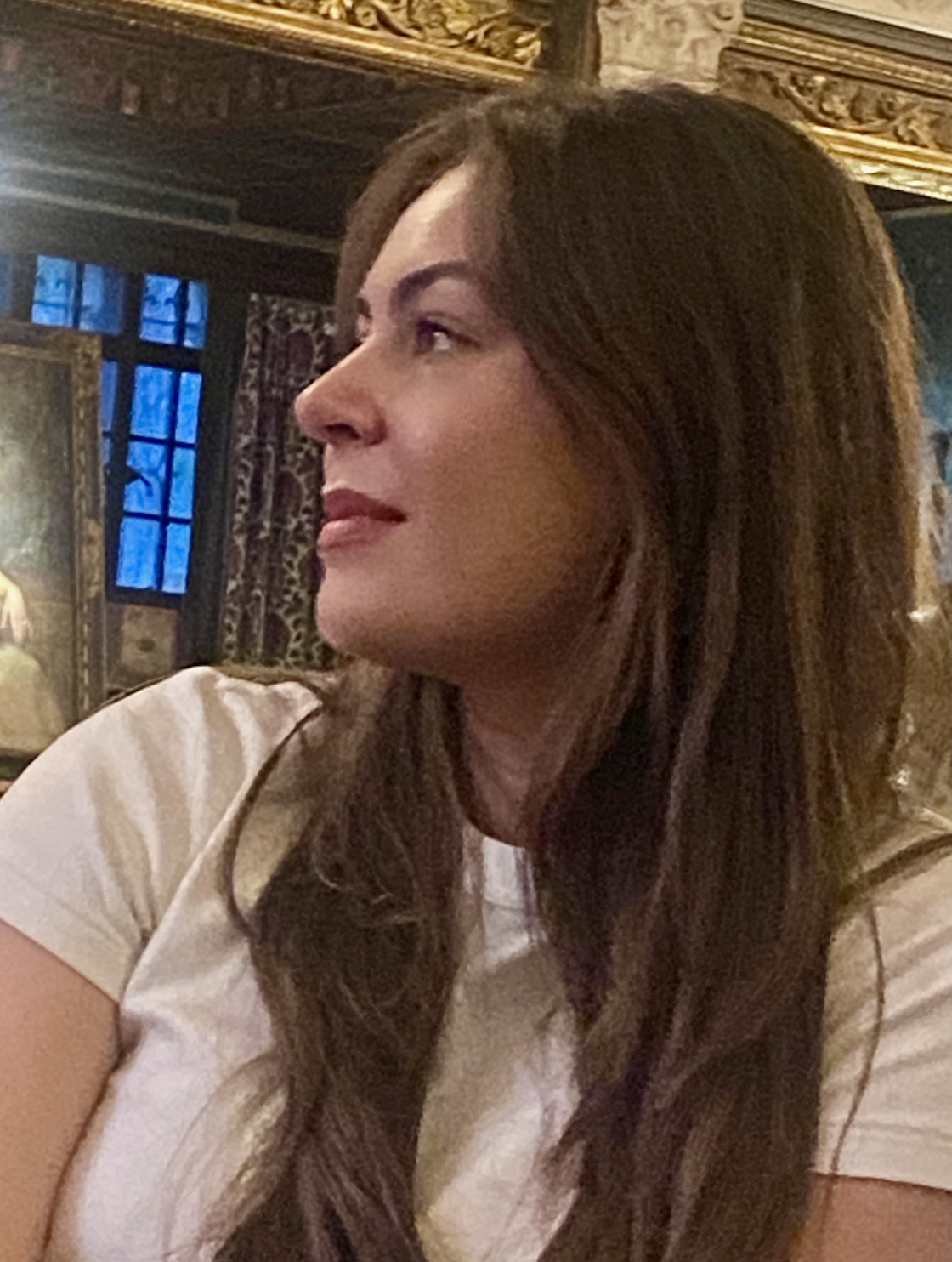
Photo: Anna Maria Vacca
Join us for To the Sea —
Caramoor’s Terrance W. Schwab Vocal Rising Stars program is made possible by generous support from the Terrance W. Schwab Endowment Fund for Young Vocal Artists.
The Merkin Hall performance is underwritten by Eileen Caulfield Schwab.
0 Comments